
Imagine your community as a bucket.
Every time a business invests, a company expands, a new project moves forward or a new opportunity comes to town, a little more water is added. Jobs are created, economic activity increases and the local tax base grows.
But communities can have leaks, too.
People, businesses and investment can leave. Residents may work in one community but spend much of their money in another. Employees may work locally but live elsewhere, taking much of their household spending and community involvement with them. Businesses may need to purchase goods, services or specialized labor outside the region. And opportunities can pass by when communities are not prepared with the sites, infrastructure, workforce or other resources needed to support growth.
Not every dollar can, or should, stay within one community. Our region is interconnected, and people will always travel, shop, work and do business across city and county lines. But understanding where money, talent and opportunity are leaving can help communities find ways to retain more value locally.
That is where economic development comes in.
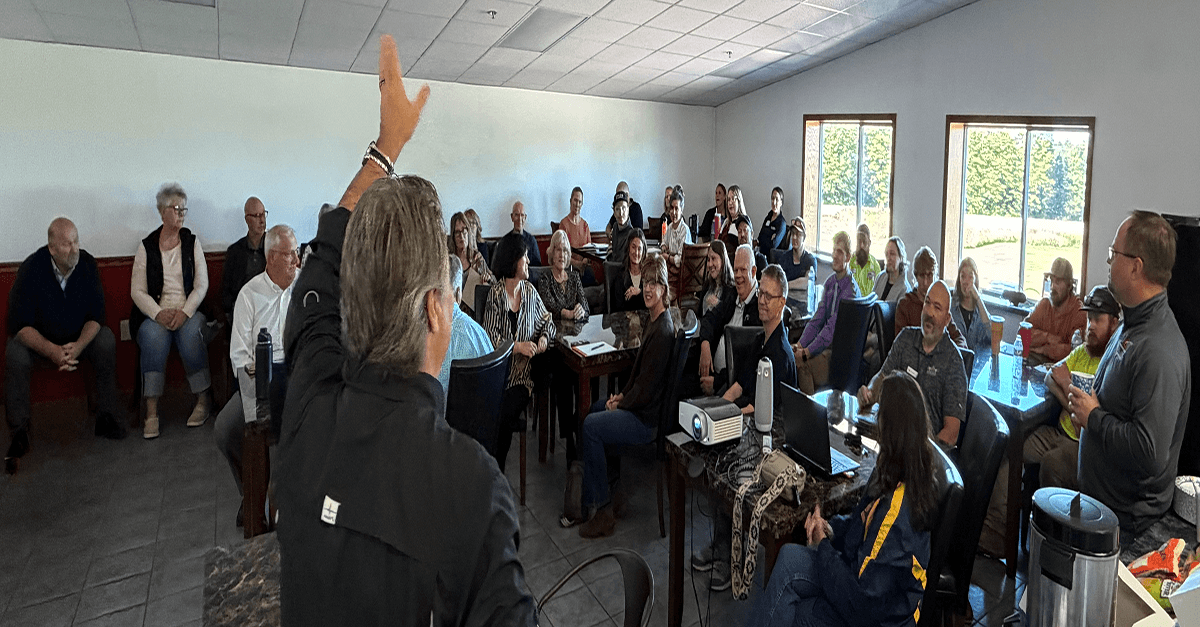
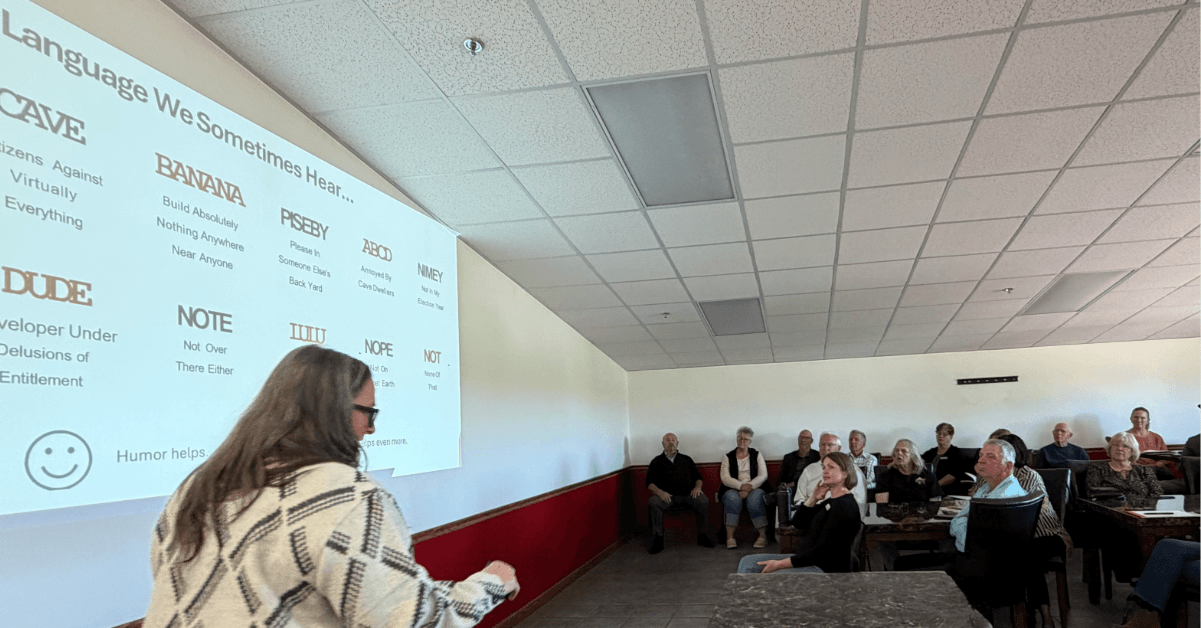
CEDC recently hosted Economic Development 101 over lunch in partnership with the Wisconsin Economic Development Association (WEDA) and Momentum West Wisconsin. The session brought together business leaders, community leaders, local officials and economic development partners to explore what economic development means, how it works and why it matters to Chippewa County’s future.
Just as importantly, it created an opportunity to connect. Attendees shared ideas, built relationships and discussed the opportunities and challenges shaping the region.
Creating the Conditions for Growth
Economic development can sometimes seem like something that happens behind the scenes. Before a project is announced, there may be conversations about funding, incentives, available sites, utilities, workforce needs, market information and local partnerships.
At its core, however, economic development is about creating an environment where businesses can succeed and communities can grow.
That includes understanding the needs of existing businesses, preparing land and buildings for development, supporting reliable infrastructure, strengthening the workforce and connecting businesses with the resources they need. It also means being ready to respond when a new opportunity arises.
Communities cannot simply decide they want growth and expect it to happen. They must prepare for it.
Looking Ahead to Opportunity
Economic development also means looking ahead and identifying opportunities before they become widely recognized.
One example discussed during Economic Development 101 was Chippewa County’s Bioeconomy Development Opportunity, or BDO, Zone. The BDO Zone identifies regional strengths and opportunities related to bio-based manufacturing, helping demonstrate the assets Chippewa County can offer potential investors.
Chippewa County received an “A” rating for corn stover, further highlighting the region’s potential for bio-based investment. Rather than waiting for a company to ask what the area has to offer, the BDO Zone helps CEDC and its partners identify, communicate and build on the assets already present in the region.
The session also touched on the growing interest in data centers. These facilities can bring significant private investment and long-term additions to the tax base, but they also require careful consideration of power, water, fiber, land use and other infrastructure needs.
Why the Tax Base Matters
Economic development is about more than a single project or business announcement.
When a business builds a facility, expands operations or invests in equipment, that investment can increase the value of taxable property in the community. A stronger tax base gives local governments additional resources to support the services and infrastructure that residents and businesses rely on, including roads, public safety and other community needs.
That creates a cycle: investment supports the tax base, a stronger tax base supports the community, and a stronger community is better positioned to attract and support future investment.
At the same time, communities need to pay attention to the leaks. If local businesses cannot grow, residents consistently leave the area to access goods and services, workers cannot find housing near their jobs or a community is not ready for new opportunities, value can leave as quickly as it is created.
Economic development works on both sides of that equation: helping bring new investment into the community while addressing the barriers that can push jobs, spending and talent elsewhere.
Filling the Bucket Together
Economic development takes collaboration.
CEDC does not do this work alone. Neither do local governments, businesses, community organizations, utilities, educational institutions or any individual partner. Progress happens when people share information, identify needs and work together to move opportunities forward.
Sometimes that collaboration leads to a business expansion, a funding solution, new infrastructure or a regional initiative such as the BDO Zone. Sometimes it starts with a conversation over lunch.
The work of economic development is ongoing. By filling the bucket, plugging the leaks and preparing for what comes next, Chippewa County can continue building a stronger future for its businesses, residents and communities.