
Economic development is about more than responding to the opportunities that are in front of us. It is also about being prepared for what could be next.
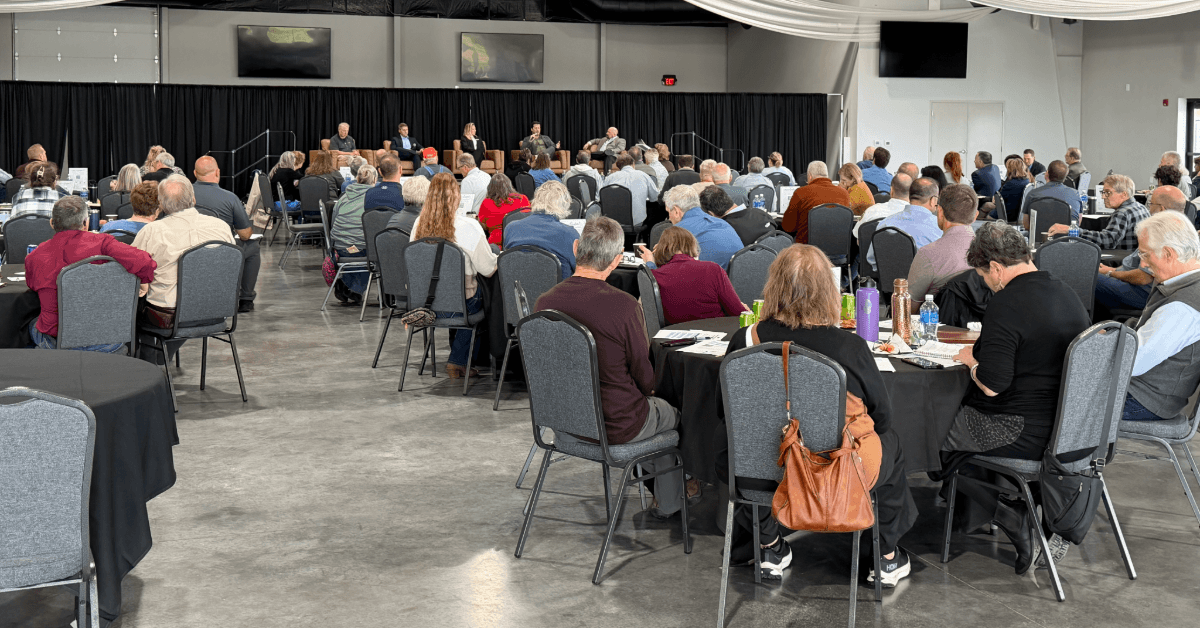
That is why CEDC staff, board members, stakeholders and regional partners recently took part in Exploring Data Centers: Impacts & Planning Considerations, held September 29 at the Eau Claire Event District.
The day-long program brought together local government leaders, planners, economic development professionals, utilities and community stakeholders to learn more about data center development and the considerations communities should understand before a project ever reaches the table.
For CEDC, opportunities to learn alongside our partners are an important part of being prepared to support the Chippewa Valley.
Learning before the opportunity arrives
Data centers are becoming a bigger part of economic development conversations across Wisconsin. They can represent significant private investment, construction activity and new taxable value, but they can also come with substantial infrastructure requirements.
Understanding those opportunities starts with understanding what they require.
Throughout the program, participants explored topics including electric capacity, water and wastewater, fiber, transportation, land use, public infrastructure, workforce needs and long-term community impacts.
For CEDC, having our board members and stakeholders in the room means building a shared understanding of these issues before a specific proposal requires a decision.
That preparation matters.
When a business or development opportunity comes forward, economic development organizations need to understand not only the potential investment, but also the infrastructure, workforce and community considerations that come with it.
Looking at the full picture
One of the key takeaways from the program was the importance of looking beyond the headline investment number.
A large-scale project can create opportunities for local contractors, suppliers, engineering firms, transportation companies, restaurants, lodging providers and other businesses. Wisconsin also has existing strengths in industries that can support the data center supply chain.
At the same time, communities need good information about a project’s power needs, water use, backup generation, construction activity, permanent jobs, workforce requirements, tax-base impacts, public costs and long-term plans.
That kind of due diligence is part of responsible economic development.
Prepared to support the Chippewa Valley
CEDC’s role is to help the Chippewa Valley be ready for opportunities that can support long-term economic growth.
That means staying connected to businesses, communities, utilities, educational institutions, government partners and other stakeholders. It means understanding emerging trends and bringing people together to learn from one another.
Data centers may or may not become a major development driver in every part of the Chippewa Valley. But the broader questions raised by the discussion are relevant to economic development across the region: infrastructure capacity, land use, workforce, technology, tax base and the long-term vision for our communities.
We don’t have to wait for the next opportunity to start preparing for it.
By learning together, asking questions and staying engaged with what’s happening across Wisconsin, CEDC and its partners can be better prepared to help the Chippewa Valley understand, evaluate and respond to the opportunities that come next.