
Ten days in Hawaii. White sand beaches, sea turtles, shave ice, and sunsets that reinforce that God is Great and Grand. By any measure, it was a perfect vacation. And yes — out of those ten glorious days, I spent one of them touring local entrepreneurs. My family was not surprised. I tried. I really did. But somewhere between the snorkeling and the Mai tais, I spotted a small roadside stand with a line of locals wrapped around the corner, and the economic developer in me woke right up. Why does this work? What’s the story here? Who is behind this? Before I knew it, I had introduced myself and was asking the owner how they got started. It’s not a problem. It’s a calling.
One Day
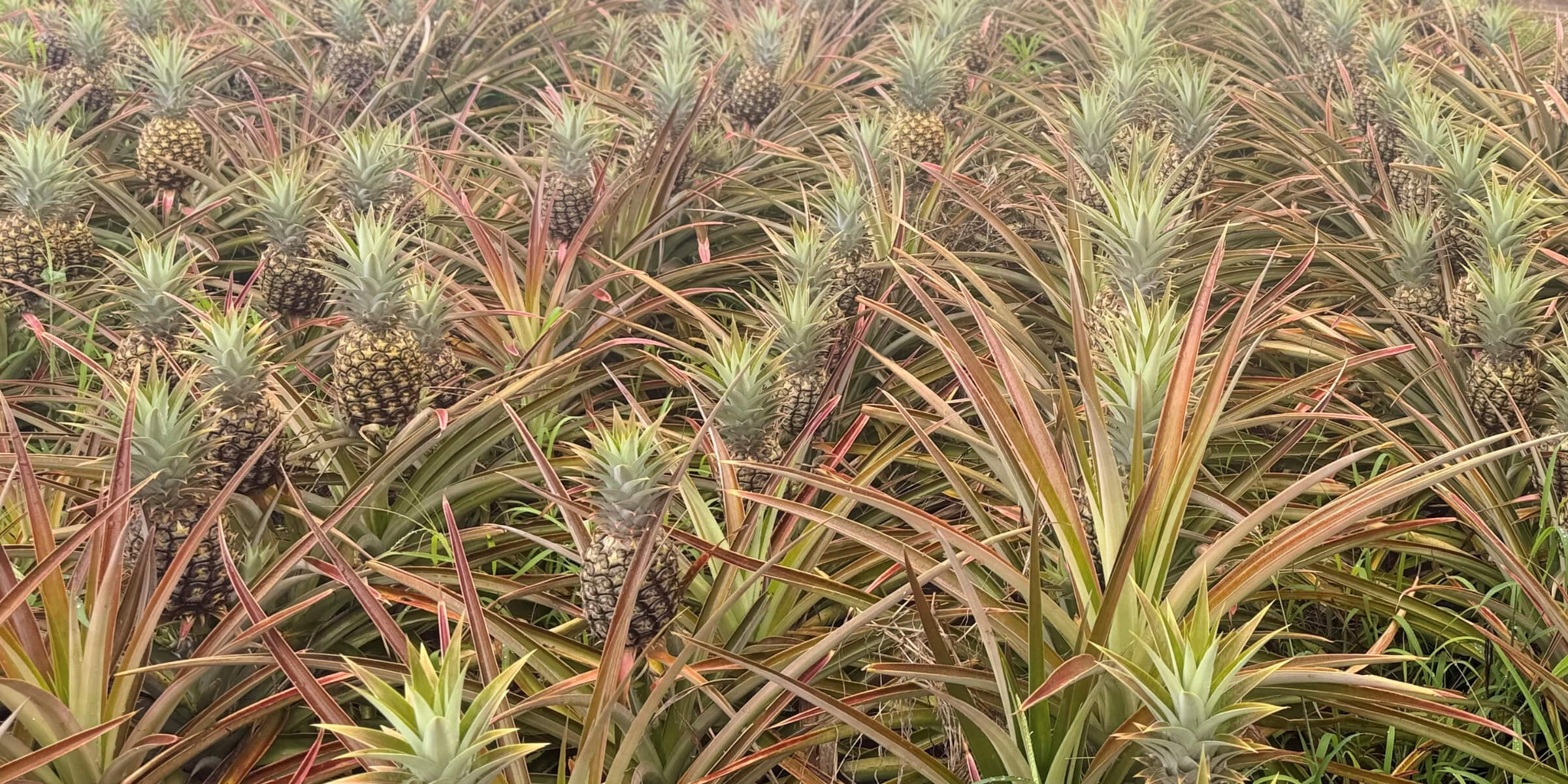
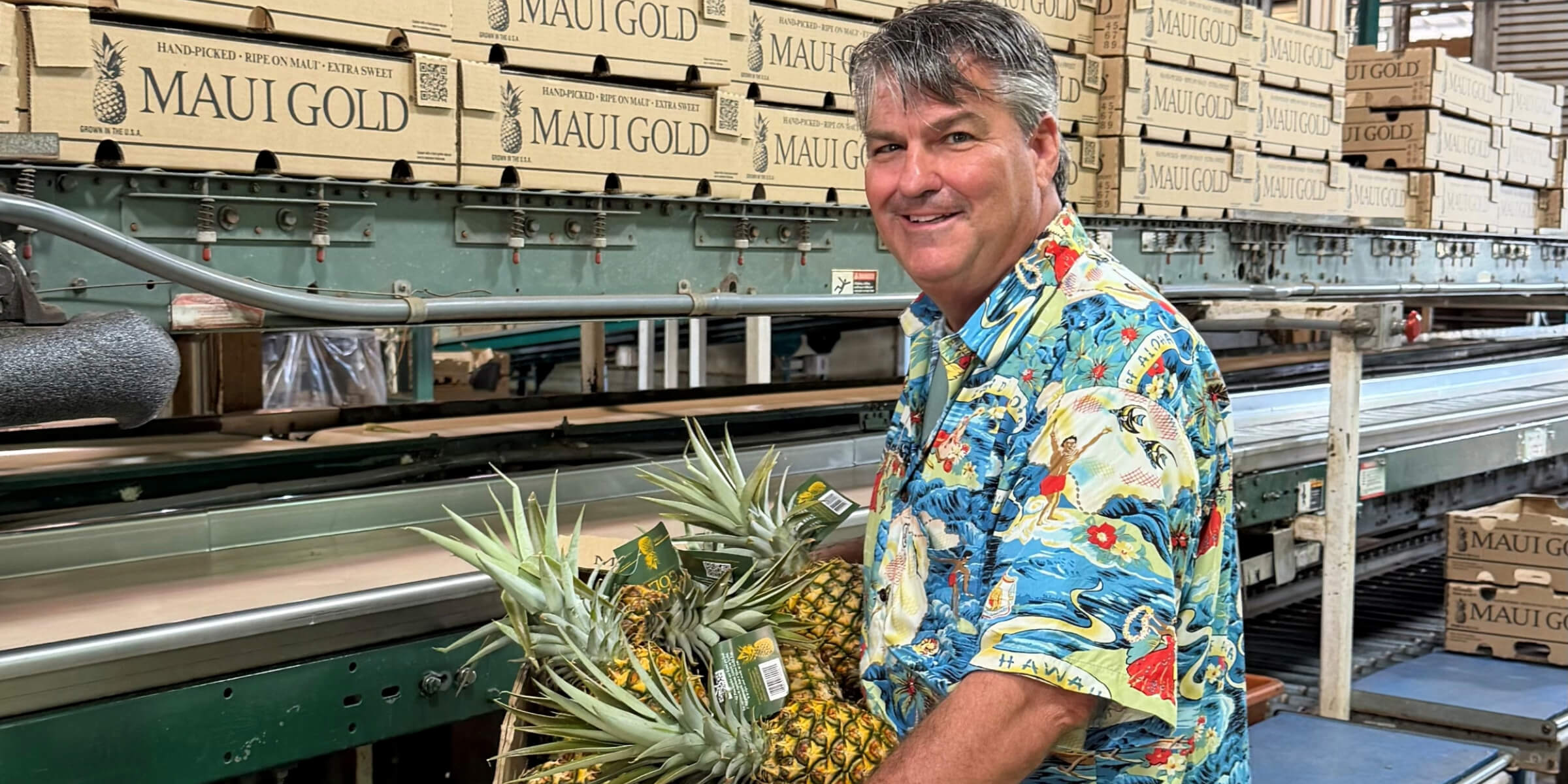
I made the most of my self-imposed “workday” in paradise, visiting a handful of small and local businesses — from a family-run cocoa farm on the hillside to a food truck operator who had turned a simple concept into a thriving brand, and to a Maui Gold Pineapple Farm! Every conversation was worth the sunscreen I forgot to reapply. At the Maui Gold Pineapple farm in Hāliʻimaile, Upcountry Maui. What started as a networking excursion turned into one of the most insightful and delicious experiences of my travels. Nestled on the slopes of Haleakalā, this working pineapple farm offers more than just stunning views and fresh fruit-it’s a living testament to Hawaiian agricultural history, innovation, and remarkable comeback stories.
The Rich History of Pineapple on Maui
Pineapple has deep roots in Hawaii, with the fruit believed to have arrived by the 1820s. On Maui, commercial cultivation took off in the late 19th century. Brothers David and Henry Baldwin established early plantations, leading to the formation of the Maui Pineapple Company in 1909. By the 1930s, Hawaii—led by islands like Maui—became the world’s top pineapple producer. Maui Land & Pineapple Company (ML&P) emerged as a major player, evolving from earlier entities and operating vast plantations. The iconic “Maui Gold” variety, a super sweet hybrid (sometimes referred to by its breeding number 73-50), was introduced around 2005. Growing in nutrient-rich volcanic soil with warm days and cooler evenings, these pineapples are prized worldwide for their low acidity and exceptional flavor. For over 50 years, this specific operation has been cultivating them on Haleakalā’s slopes.
Closure & Challenges
We didn’t shy away from the tougher conversations. Like many Hawaiian agricultural sectors, pineapple faced intense global competition from lower-cost producers in Asia and elsewhere starting in the mid-20th century. Labor costs, shipping challenges, and shifting markets took their toll. In 2007, Maui Land & Pineapple closed its historic Kahului cannery after 75 years of operation-the last pineapple cannery in Hawaii. This was a major blow to the local economy. By the end of 2009, the company shut down its remaining fresh-fruit pineapple operations after nearly a century, ending large-scale commercial production under the old structure and impacting hundreds of jobs. Hāliʻimaile Town had to rely on their county economic development team- County of Maui Office of Economic Development (OED) that worked with the local businesses, government, and the community to help strengthen and diversify the existing Maui economy,
Bouncing Back: Focus on the entrepreneurial ecosystem
This Pineapple story doesn’t end there-that’s what makes Maui Gold so inspiring. In 2010, a group of former Maui Land & Pineapple executives, managers, and partners including C. Pardee Erdman of Ulupalakua Ranch stepped in. They formed Haliʻimaile Pineapple Company, leasing fields, acquiring equipment, and retaining key employees to keep the tradition alive. In 2018, the LeVecke Corporation acquired the company, ensuring continuity. More recently, in late 2022, the Hawaiʻi Farm Project took over, injecting significant investment and a commitment to local stewardship. This nonprofit-backed effort focuses on sustainability and community impact while scaling up production despite challenges like deer, drought, and recovery from events like the 2023 Lahaina wildfires (which affected their retail operations). Today, Maui Gold remains Hawaii’s last working pineapple farm on Maui, employing locals with deep family ties to the industry. The business has diversified smartly with tours, farm-to-table experiences, shipping fresh fruit, and value-added products.
What I Learned
What I’ve found is that entrepreneurs are hiding in plain sight on every vacation. As an economic development professional, I was struck by the parallels to modern entrepreneurship: legacy industries facing disruption, the importance of passionate leadership in pivots, and the value of authentic storytelling. No matter where I was on the island or what kind of business I was speaking to-the things that stuck with me are:
- Passion is the engine, but purpose is the fuel. Almost every entrepreneur I talked to said they weren’t just doing something they loved — they were solving a problem, filling a gap, or serving their community in a way no one else was. Purpose is what keeps the lights on when passion alone isn’t enough.
- Community matters more than capital. Time and again, I heard stories about a loyal customer who spread the word, a neighbor who lent a hand, or a local business that offered a connection at just the right moment. Those businesses that were thriving weren’t doing it alone.
- Failure is part of the resume. Not a single successful entrepreneur I spoke with had a straight-line story. There were pivots, zigzags, setbacks, and moments of serious doubt. What separated them wasn’t avoiding failure -it was refusing to fall backward- believing that falling forward is always easier to get back up from.
- Start messy. Several owners told me they waited too long to launch because they wanted everything to be perfect. The ones who started imperfectly and iterated along the way consistently outpaced the ones who over-planned.
- Root in place-Every successful business I visited was deeply rooted in Hawaii — the culture, the land, the people. They weren’t trying to be something from somewhere else.
- Tourism is a tool, not the whole plan. The smartest operators had a loyal local customer base first. Tourists were a bonus, not the foundation. That’s a lesson that translates directly to our rural small-town economy.
Bringing It Back
I’m bringing these conversations back to the clients and entrepreneurs I work with every day, hoping a little aloha spirit finds its way into our Chippewa economy. Nine days of pure vacation. One day of work. Zero regrets…..Mahalo, Hawaii. You were good for the soul and the business mind.