


The Chippewa Economic Development Corporation (CEDC) recently received a $50,000 Rural Business Development Grant (RBDG) from the U.S. Department of Agriculture (USDA). This grant aims to explore developing more rural biobased economic opportunities within Chippewa County.
For over 20 years CEDC has supported fuels produced from renewable organic material. Early in 2001 CEDC assisted local Chippewa Valley investors with the idea of building an ethanol plant in eastern Chippewa County. CEDC knew that a bio-based business would benefit local farmers by increasing the value of the corn they grew. Construction on the original 15-million-gallon ethanol plant in Stanley began in 2001. Since then, ACE Ethanol expanded and build a CO2 plant, expanded again in 2004, and in 2005 established a second grain-receiving location called Four Corners to further connection to farmers throughout the region. After acquiring all Utica Energy facilities in the Oshkosh and Green Bay area in 2013 the company continues to grow and has been a cornerstone economic development project for Chippewa County.
Huge quantities of agriculture biomass are still being produced within the Chippewa Valley that might be able to be used for value added products. Recognizing this potential positive impact, CEDC has partnered with Ecostrat to embrace the Bioeconomy Development Opportunity (BDO) Zone Initiative. EcoStrat, a North American leader in biomass supply chain management will work with CEDC work towards achieving zone certification. This initiative introduces a regional biomass supply chain certification and rating program, equipping CEDC bodies with essential tools to expedite biobased cluster project development.
The BDO Zone Rating involves a technical risk assessment, evaluating biomass feedstock, supply chain, and infrastructure within a region. These ratings, ranging from ‘AAA’ to ‘BBB,’ provide a credible guide, directing investments to the most prepared areas for establishing new bio-based manufacturing plants. Economic developers leverage these ratings to attract attention and investments, fostering biomass-based clean fuel projects, decarbonization, and job creation.
BDO Zone ratings if achieved in Chippewa County will help leverage our biomass and infrastructure assets, acting as catalysts for economic development. The Chippewa County, initiative is specifically centered on maximizing the areas potential of corn stover.
Corn stover, the residual plant material left after corn harvesting, encompasses leaves, stalks, cobs, and husks. This versatile biomass proves valuable for various applications, notably as a feedstock for bioenergy production, including ethanol or biogas. Additionally, when reintroduced to fields, corn stover enhances soil health by increasing organic matter content and improving soil structure. Its uses extend to serving as animal bedding and acting as a feedstock for the production of bioproducts like bioplastics or biochemicals. This strategic focus on corn stover exemplifies a sustainable approach to harnessing agricultural by-products for multifaceted economic and environmental benefits.
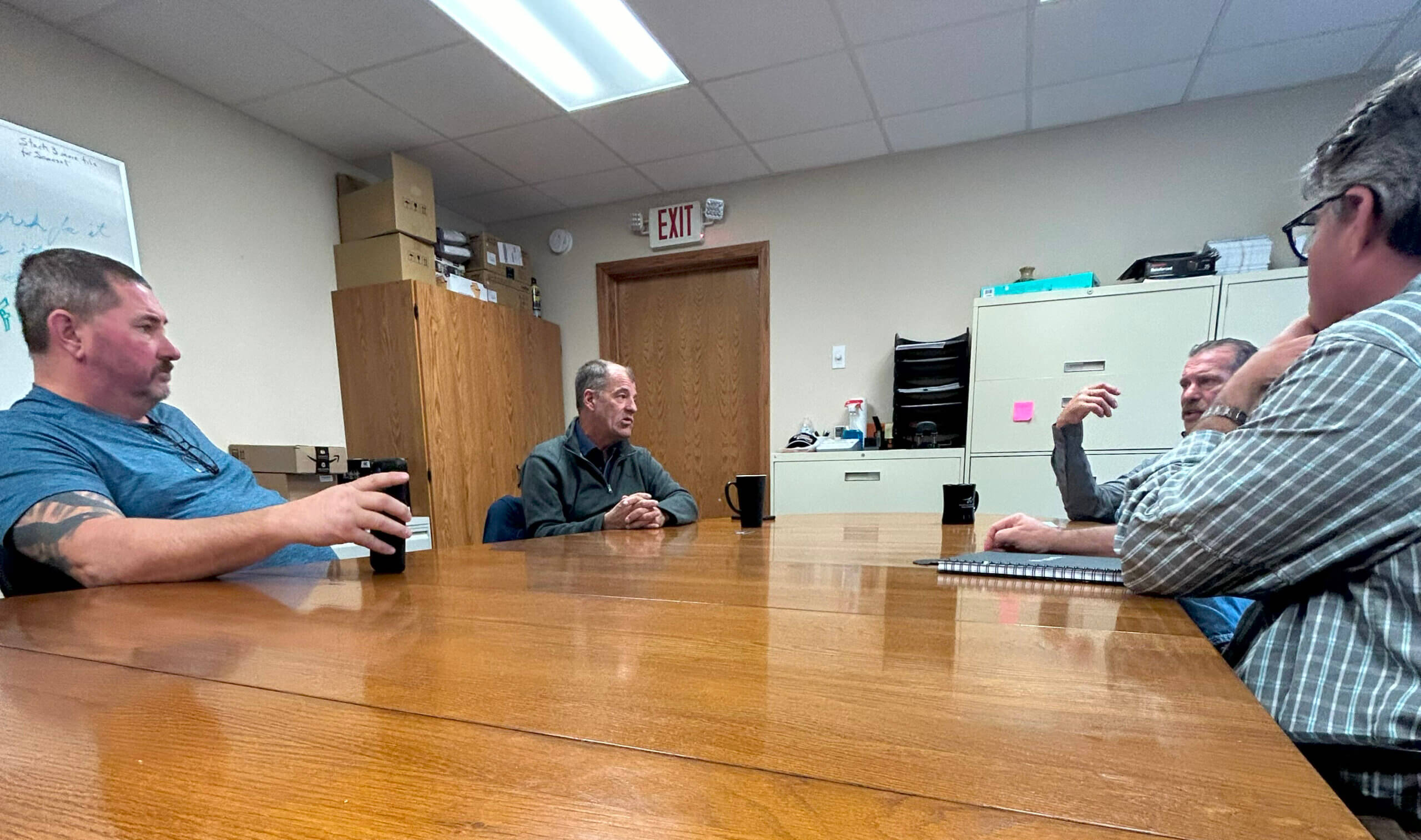
Since the USDA grant award announcement-CEDC has delivered one-stop convenience to several site selection consultants assisting them in conducting interviews, business walkthroughs and site visit centered around the Chippewa BDO Zone opportunity.