
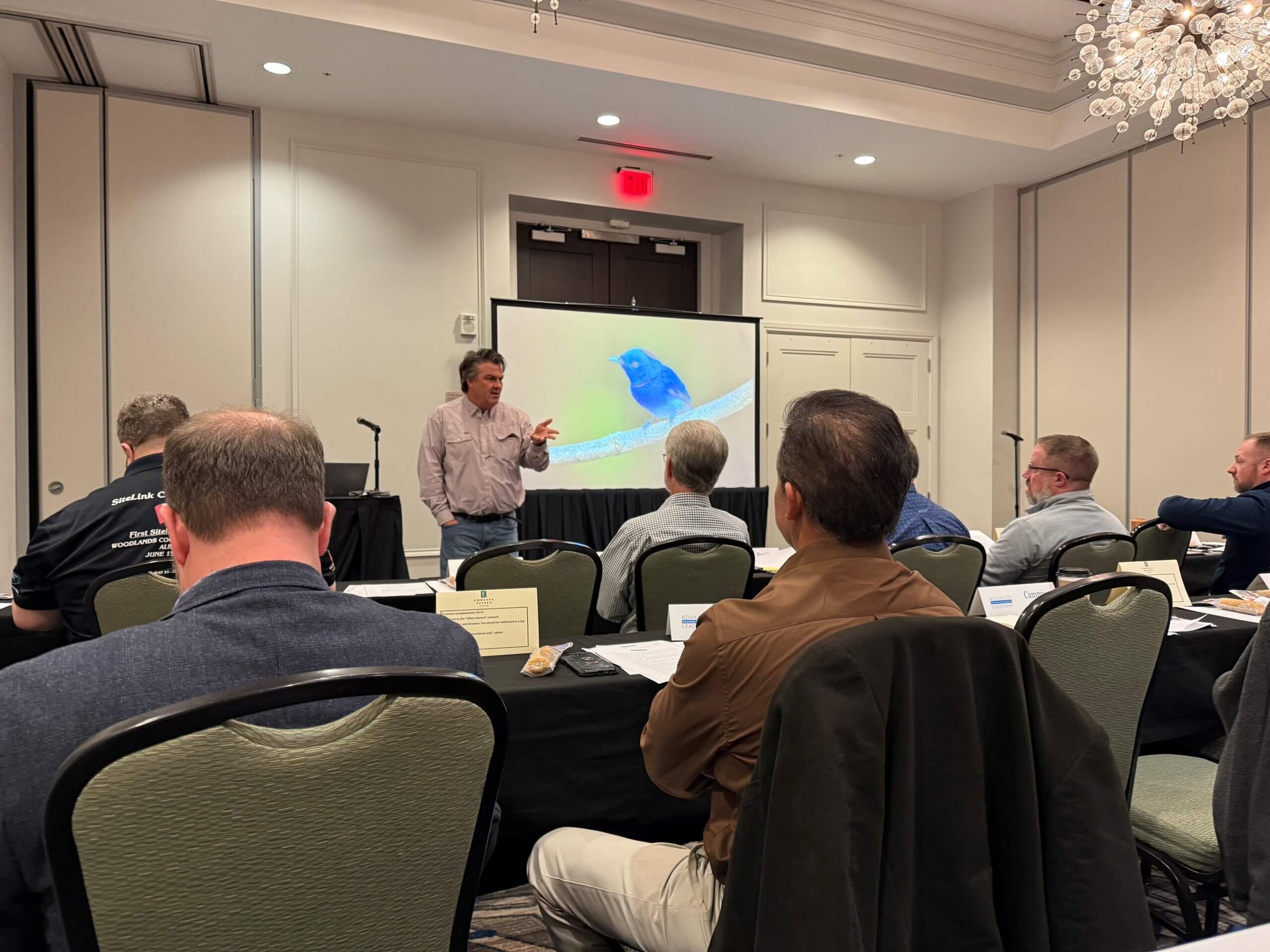
Several weeks ago, I delivered a presentation in Kentucky, highlighting the top issues that local businesses might face over the next twelve months. I covered the essentials, including inflation and economic volatility, tariff impacts, cybersecurity vulnerabilities, the acceleration of AI, and workforce talent constraints.
I also discussed the growing influence of the NIMBY (“Not in My Backyard”) phenomenon, which, much like Wisconsin weather, can quickly escalate into vocal opposition, forcing entrepreneurs to reconsider the risk/reward of their projects. NIMBY has long existed, driven by residents who prefer the status quo and fear the unknown impacts of new business ventures.
NIMBY can halt projects in their tracks. Entrepreneurs see the trend leading to heated public hearings, increased project costs, delays, and often the rejection of development proposals or denial of building permits. When they sense a NIMBY storm brewing, they tend to reassess their risk/reward calculations.
The concept of risk and reward is well understood in the investment world and applies equally to family and individual projects and purchasing decisions. At the CEDC, we frequently discuss risk and reward when assisting entrepreneurs in our HATCH, coaching, or mentoring programs.
Economic developers often try to gauge risk tolerance. We recognize that communities, like entrepreneurs, must take risks. NIMBY can sometimes indicate a community’s level of risk aversion. As risk aversion grows, common indicators emerge. Local government bodies, such as city councils and planning and zoning boards, develop a history of stifling project ideas through excessive questioning. They rely on “we’ve always done it this way” thinking and resist considering new approaches. Members of these bodies may overthink decisions (analysis paralysis) and procrastinate, fearing the risk. They worry that economic development projects will fail, money will be lost, and the efforts won’t pay off.
NIMBY often exacerbates risk aversion by leveraging social media addictions and distrust of government, organizations, and businesses. As it grows, like a BANANA (Build Absolutely Nothing Anywhere Near Anyone), it skews the risk/reward equation, causing more residents to fear that economic development projects or entrepreneurial ideas will fail.
At CEDC, we are not paralyzed by the fear of failure. We are optimistic and understand that the risk of doing nothing is greater than the risk of taking action. We celebrate failure as part of the economic development process, knowing that it is not fatal but rather a fertile ground for outstanding future results.