
Economic growth doesn’t happen by accident. It happens through relationships, preparation, and showing up consistently in the conversations that shape investment decisions. In today’s fast-moving and highly competitive economy, communities are no longer just competing with neighboring counties — they are competing nationally. For Chippewa Economic Development Corporation (CEDC), that reality shapes how we approach business attraction and long-term growth in 2026. One thing is clear: visibility matters.
Corporate expansion and relocation decisions often start months — sometimes years — before a community ever receives a call. Those early conversations are guided by professional site selectors and consultants who evaluate regions on behalf of companies. If a community is not actively building relationships with those decision-makers, it is unlikely to be considered when opportunities arise.
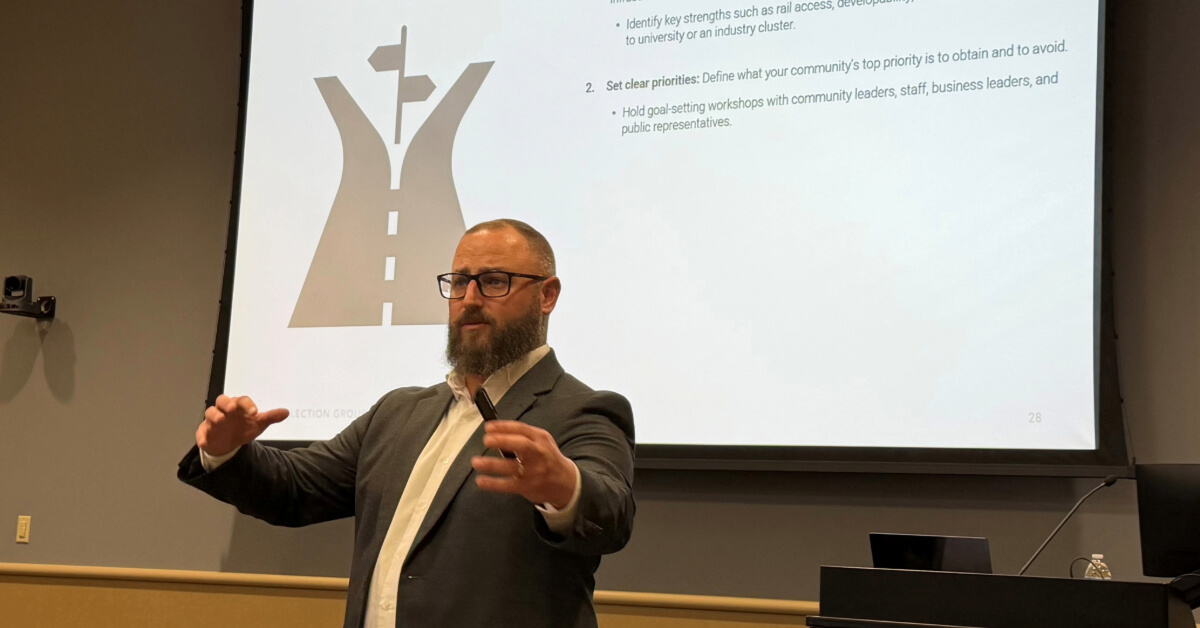
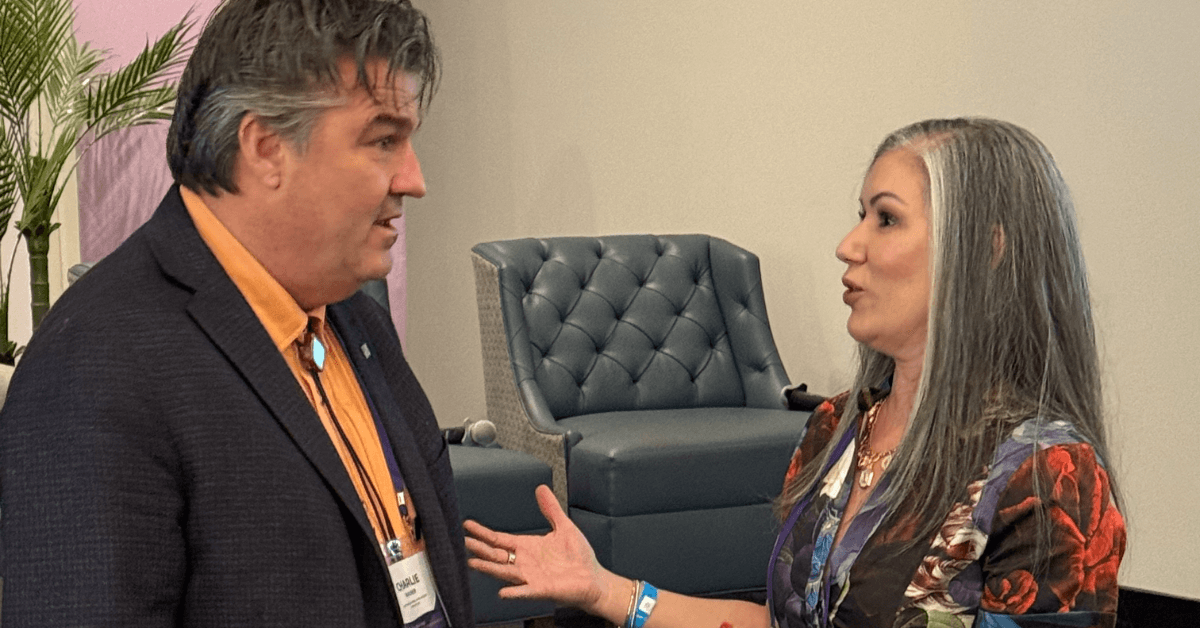
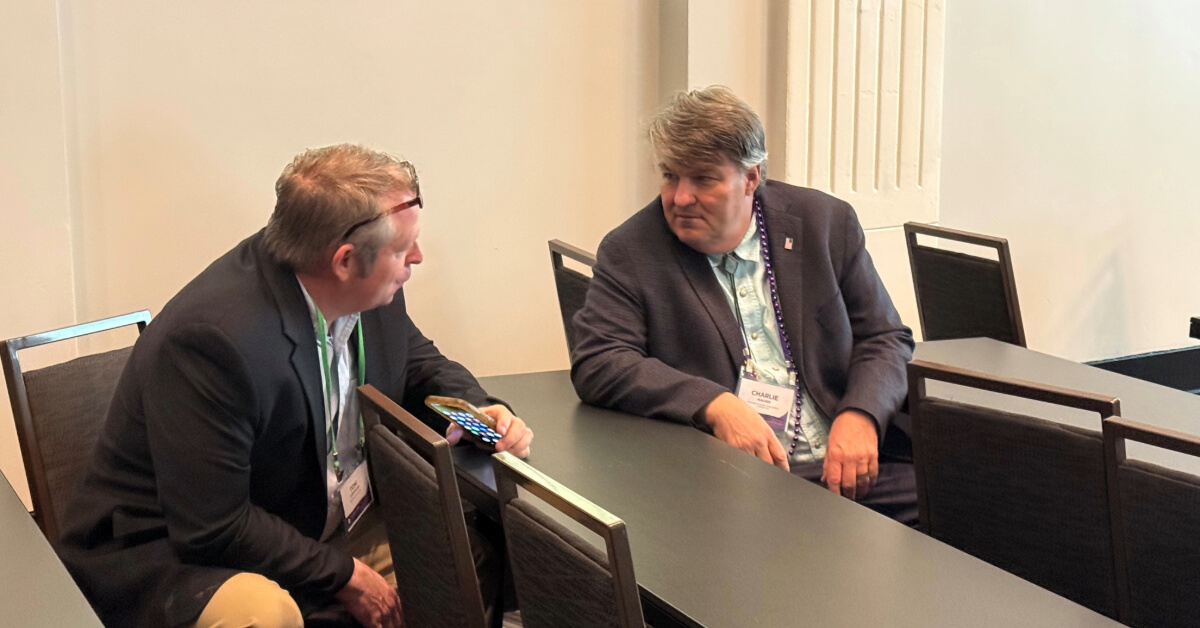
That is why CEDC has made it a strategic priority to strengthen connections with national and regional site location professionals. Recently, our team participated in the Next Move Group Site Selection Conference — a national forum connecting economic development organizations directly with the consultants who guide corporate investment decisions. We were also invited to attend an Industrial Development Workshop hosted by Wisconsin Economic Development Corporation (WEDC), Momentum West, and the Eau Claire Area Economic Development Corporation where a the region could hear from Andrew Rathford-of the Site Selection Group for a discussion focused on actionable strategies to work with site selectors, work to drive industrial growth while supporting transparency, sustainable growth, and meaningful community impact.
Peter Hoeft of Hoeft builders joined the panel to share insights alongside regional leaders and industry professionals, emphasizing that successful industrial development requires preparation, coordination, and a clear understanding of what today’s companies are evaluating — from site readiness and infrastructure capacity to workforce alignment and community responsiveness.
Beyond visibility, these types of engagements provide something equally valuable: insight. Workforce readiness continues to top the list of priorities for expanding companies. Access to skilled labor, strong K–12 systems, technical education pipelines, and employer partnerships are critical decision factors. Infrastructure — including energy reliability, transportation access, broadband capacity, and site readiness — also plays a major role. Housing availability has become another key consideration, as companies want to know whether their workforce can live affordably and comfortably in the communities where they operate.
By engaging directly with site selectors such as Andrew, developers like Hoeft, and engineering professionals, CEDC continues to gain firsthand knowledge of evolving expectations. This allows us to refine our strategies in real time — work to strengthen industrial park readiness, advocate for infrastructure improvements, and support aligning workforce initiatives with employer demand. We are not guessing what businesses want. We are asking — and listening.
Economic development is rarely about a single win. It is about sustained effort over time — creating an environment where opportunity can take root when it arrives. Through active engagement and strategic connection-building, CEDC is ensuring that when the next opportunity calls, Chippewa is prepared to answer.