
Entrepreneurial development doesn’t happen in a vacuum. While ideas, talent, and capital are critical, the policies and programs that shape the business environment often determine whether entrepreneurs can start, grow, and stay local. That’s why legislative advocacy is a core part of Chippewa Economic Development Corporation’s (CEDC) economic development strategy.
At the CEDC, our work to support entrepreneurs extends beyond direct business assistance. We actively engage with state and federal policymakers to ensure that laws, funding programs, and regulations support—not hinder—entrepreneurial growth in Chippewa County.
Policy Affects Entrepreneurs
Entrepreneurs are directly affected by public policy, often in ways that aren’t visible until they create a barrier. Access to capital, workforce availability, housing supply, infrastructure investment, broadband access, and regulatory clarity all have a direct impact on small businesses and startups. CEDC Advocacy helps make sure that:
- Local entrepreneurs have access to financing tools and incentive programs
- Our workforce and housing policies support business growth
- Infrastructure investments align with business needs
- State and Local regulations are practical and do not unintentionally discourage startups
By elevating the real-world experiences of local business owners, CEDC helps policymakers understand how decisions made in Madison or even in Washington affect entrepreneurship on the ground.
Legislative Speed Dating
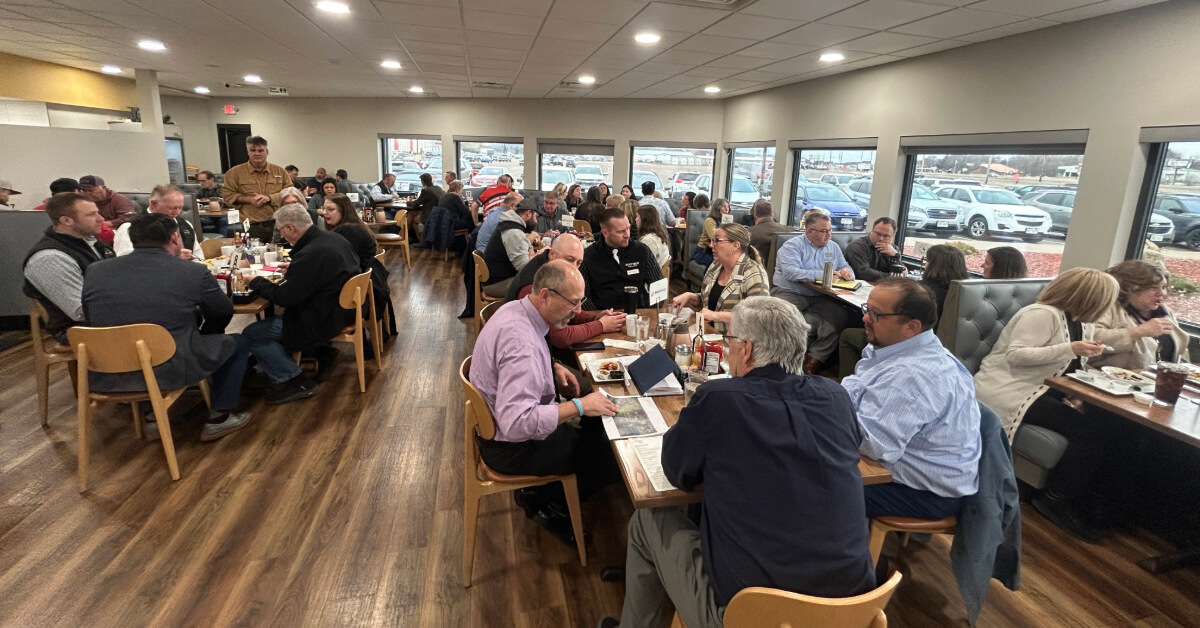
CEDC’s Legislative Speed Dating events (like the one just recently held at the Egg Break Café in Lake Hallie) are a powerful example of how advocacy supports entrepreneurial development. These events place entrepreneurs, business leaders, and our economic development team face-to-face with legislators in focused, efficient conversations. For local entrepreneurs, this is a chance to:
- Share barriers they’re facing in real time
- Explain how policy impacts day-to-day business operations
- Offer suggestions and solutions rooted in lived experience
For Wisconsin legislators, it provides direct insight into what Chippewa Valley businesses need to start, grow, and innovate—shaping better-informed policy decisions that reflect the realities of local economies, not just headlines or statewide averages.
FAM & Meetings
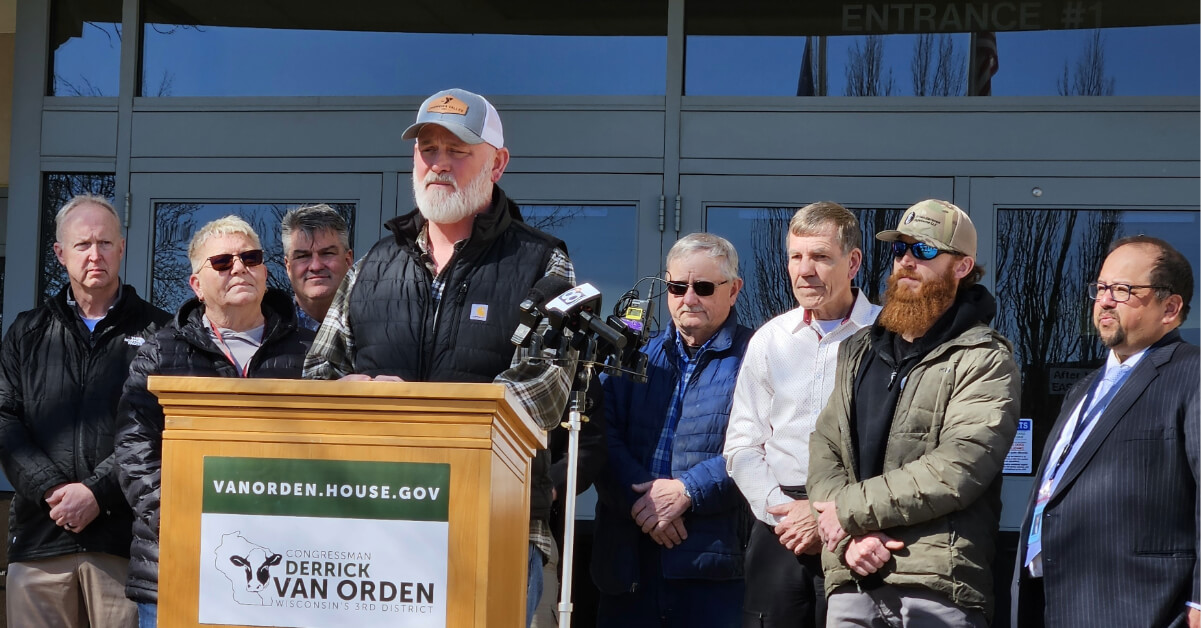
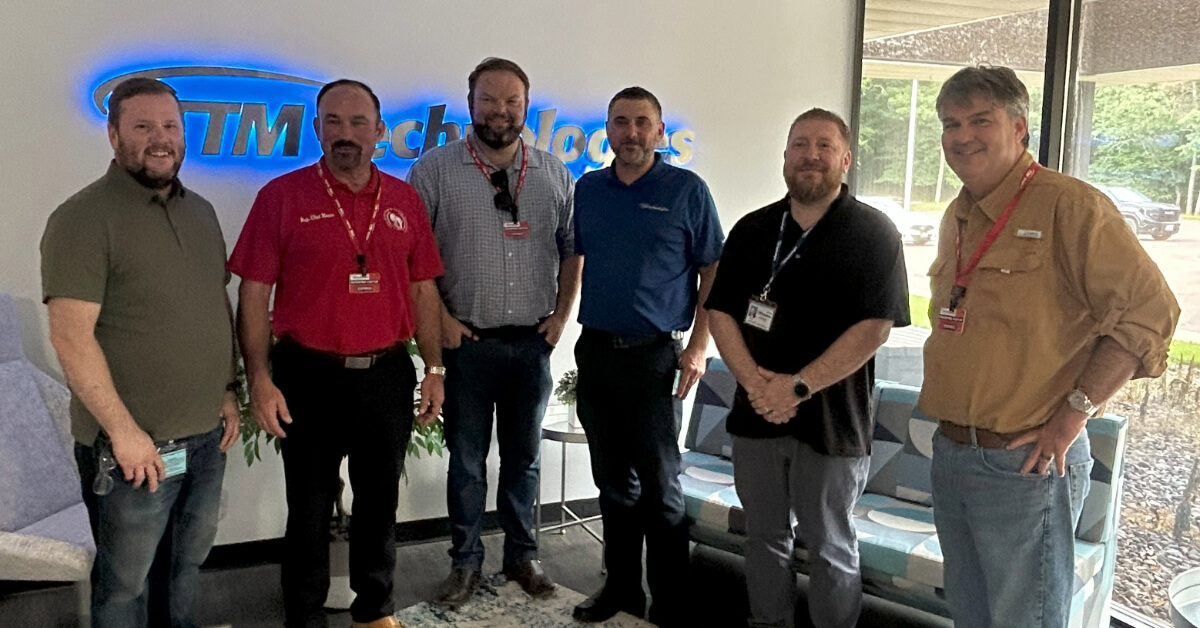
Before the Legislative Speed Dating event occurred-the CEDC advocacy team consistently arranges face to face meets with and/or hosts State and Federal elected official familiarization (FAM) visits. These are another critical part of CEDC’s advocacy strategy. Many of the programs that support entrepreneurs, including small business financing, workforce initiatives, disaster recovery assistance, and infrastructure funding—are influenced or funded at the federal level. CEDC works to ensure that Chippewa County’s entrepreneurial priorities are clearly communicated and well represented in Madison and Washington. CEDC Federal advocacy ensures that rural and mid-sized communities like ours are not overlooked, and that national policy reflects the needs of local entrepreneurs.
Impactful
Legislative advocacy is often thought of as separate from business support—but in practice, it is one of the most impactful tools available. Strong advocacy removes barriers before they become roadblocks and creates conditions where entrepreneurial support programs can be more effective. Programs like Legislative Speed Dating, FAM, and face to face meetings help build the momentum necessary to advance CEDC’s legislative agenda. Current State and Federal issues and priorities that were discussed at these events include:
- TIF flexibility and reform to expand economic development financing options
- Workforce housing initiatives to address the housing supply challenges affecting business growth
- Key tax incentives for Wisconsin businesses, including enhanced housing and childcare tax credit
- Advocate for Northern Center Redevelopment in Chippewa Falls
- Fund Youth Apprenticeship grants
- Establishes a Talent Recruitment Grant Program
- Protect and expand funding programs entrepreneurs rely on
- Influence on how federal resources are designed and distributed
- Position the region competitively for grants and pilot programs
- Provide tax credits for employer-paid childcare assistance
- Provide $10 million for a new Rogers Behavioral Health campus in Chippewa Falls,
- Fund $1 million for Lutheran Social Services to help reopen a treatment facility in Chippewa Falls,
- Funding for a Morgue in Chippewa County
- Influence on how federal resources are designed and distributed
- Position the region competitively for grants and pilot programs
- Full funding for the Economic Development Administration (EDA)
- Reauthorize the Farm Bil
CEDC’s advocacy work is grounded in listening to local businesses and founders and translating their needs into clear, practical policy priorities—because when entrepreneurs have a seat at the table, communities make better decisions, and the economy is stronger for it.