
In today’s economy, speed is quietly deciding more deals than ever. Companies want to move quickly; investors expect faster returns; site selectors are trimming timelines. For communities, speed to market isn’t a bonus—it’s a baseline requirement. Those who respond with certainty and cadence win more projects, while delays translate into missed opportunities.
When a project slows, costs rise. Permitting hiccups, unclear timelines, or unfinished sites create risk that companies will avoid whenever possible. Conversely, communities that move quickly send a powerful, enduring signal: we’re ready. Speed to market has become a defining competitive advantage in economic development because it reduces risk, accelerates returns, and strengthens the confidence of developers and manufacturers alike.
Chippewa County’s speed-to-market advantage is evident in practice. It is committed to turning readiness into results, anchored by four pillars:
- Responsiveness: aligning processes, timelines, and approvals so development projects know what to expect and when.
- Collaboration: weaving together local government, educational institutions, workforce partners, and industry to streamline expansion decisions.
- Preparedness: leveraging ready-to-go sites (STAR), hosting pre-approve meetings, and helping establish routes for faster permits and utilities.
- Listening: driving projects forward through proactive problem-solving and clear communication.
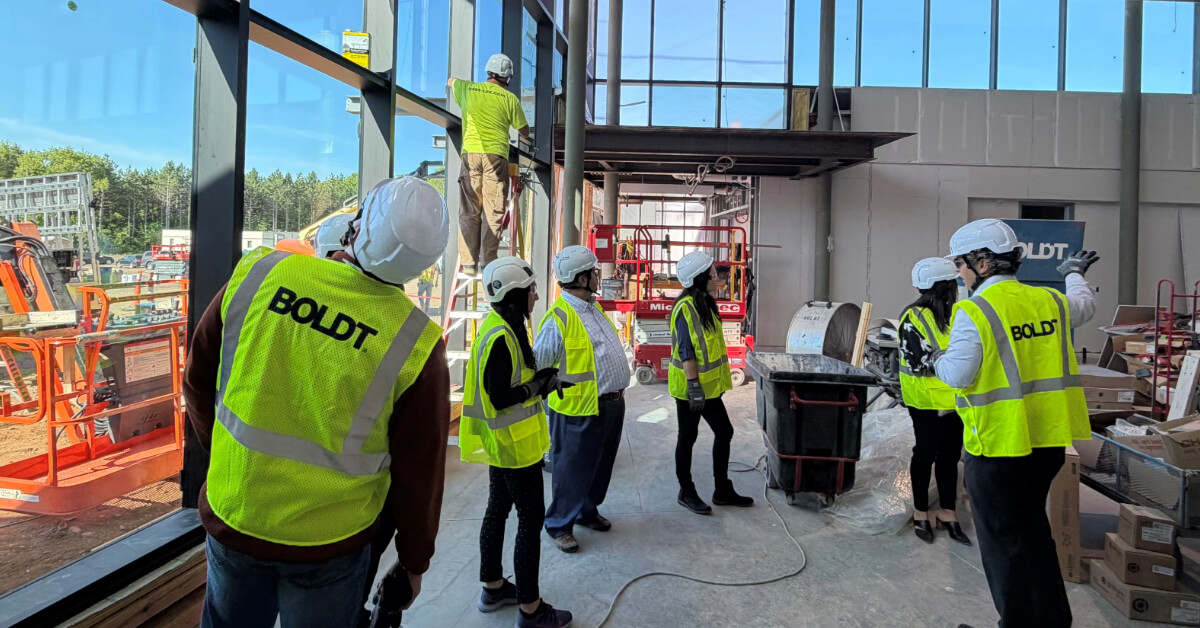
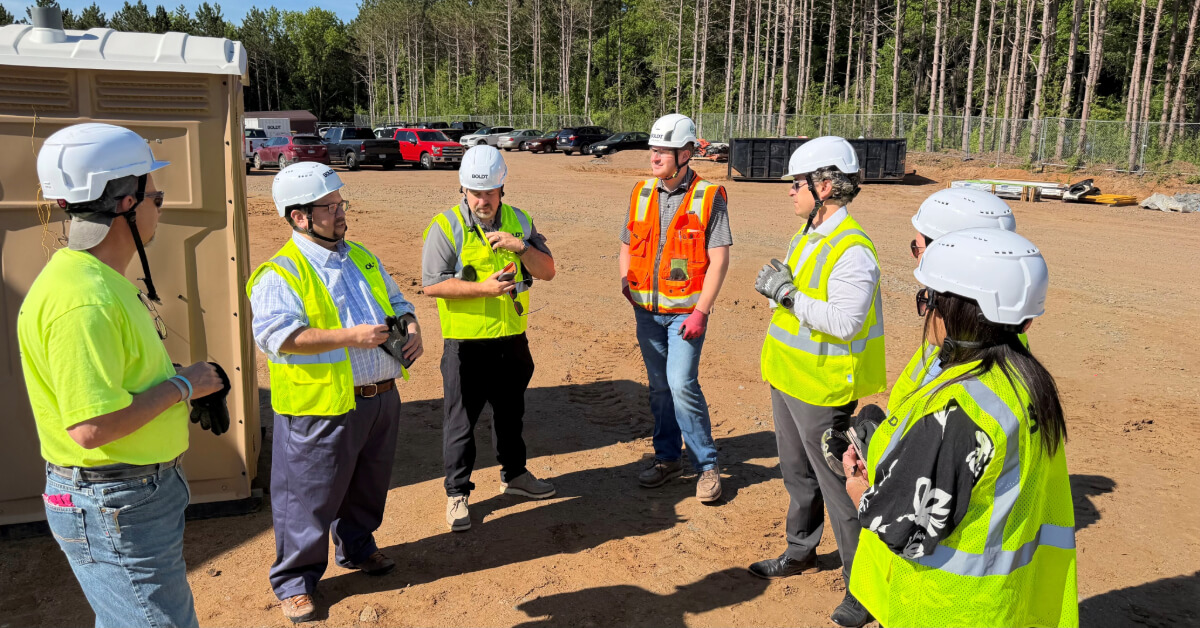
One live example of this mindset is unfolding: the Aspirus Chippewa Falls Hospital and Clinic project- a landmark for regional development and practical tests of speed to market. Recently the Chippewa Development Team participated in a Business Expansion and Retention Visit (BEAR) to the Aspirus Chippewa Falls Hospital construction site.
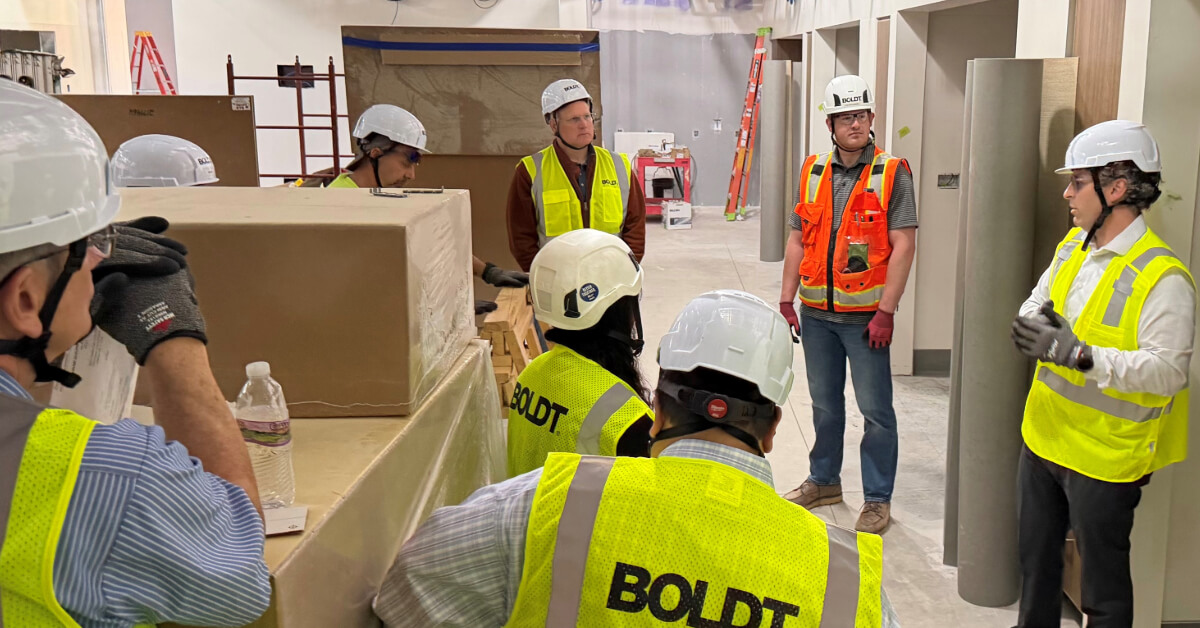
This BEAR visit- gave CEDC stakeholders, local leadership, and construction partners an opportunity to highlight progress on the facility while discussing upcoming phases of development. The BEAR Team toured the site, reviewed current construction work, and participated in discussions with Aspirus leadership about the hospital’s future role in expanding access to care for residents in Chippewa Falls and the surrounding Chippewa Valley region.
During the tour, attendees observed ongoing construction activity and met with Aspirus officials to learn more about project milestones, timelines, and next steps. Discussions also focused on how the new hospital will strengthen health care delivery, support regional growth, and provide long-term benefits for patients and families in western Wisconsin.
Aspirus emphasized that the project was guided by careful planning, responsible resource management, and a community-centered approach-with a strong focus on speed to market.
Boldt Company representatives highlighted the project’s modular construction, which shortens the construction timeline while still maintaining high quality and rigorous safety standards. Roughly 30 percent of the constructed hospital was fabricated offsite and integrated with traditional on-site work. This strategy offered several speed-to-market benefits:
- Shorter overall schedule: modular components enable parallel activities—off-site fabrication while site work proceeded—reducing weather-related delays and improving schedule predictability.
- Controlled production: offsite fabrication in controlled environments improves quality and accelerates commissioning.
- Integrated delivery: modular modules arrive pre-assembled with mechanical, electrical, plumbing, and other systems already installed, enabling faster on-site integration.
Once completed in September 2026, the new Aspirus hospital in Chippewa Falls is expected to provide enhanced medical services, modern health care technology, and improved access to high-quality care for the region.
Beyond construction, project readiness extended to procurement and vendor engagement. Aspirus highlighted several local suppliers and contractors that have already participated in the hospital project. Aspirus continues to align vendor engagement and apprenticeship opportunities with long-term community goals to strengthen the local economy.
The BEAR team also discussed talent and workforce development as a core component of speed to market. Because of the quality of Chippewa’s local workforce, Aspirus is ahead of schedule in securing qualified health care workers to staff the facility. Local partnerships—with Chippewa Valley Technical College and area high schools—are essential and play a key role in building a pipeline of workers ready for the new hospital.
Speed to market isn’t about lowering standards—it’s about reengineering processes to deliver reliable, low-risk results faster.
Speed to Market is about being ready! Site readiness leads the way across the country; states, counties, and cities are investing in site readiness, so land is prepared before a company ever shows interest. The goal is simple: eliminate unknowns and compress timelines.
Speed to market isn’t just about moving fast; it’s about listening well and letting those conversations and observations drive faster, better decisions. In practice, listening and BEAR visits are two intertwined pillars of a true speed-to-market strategy. BEAR visits are not just about showing progress; they are deliberate listening and learning opportunities that surface real-world constraints, build trust, and accelerate decision-making.
Chippewa already benefits from certified sites, regional partnerships, and a track record of getting things done! CEDC continues to advance and push for more investment in “Speed to market” activities such as site readiness, workforce/talent partnerships, streamlined permitting, and increased local procurement so all can benefit from:
- Attracting new manufacturing, healthcare, and tech-related investments more quickly
- Shortening time-to-operation for major projects
- Growing more local jobs and supplier opportunities
- Strengthening the regional economy through sustained, collaboration-driven growth